Recently I started to use Himalayan Rose Pink Salt, I love it!Here are some awesome benefits and facts about Himalayan Pink Salt;Himalayan Pink Salt is a pure, hand-mined salt that is derived from ancient sea salt deposits, and it is believed to be the purest form of salt available. The high mineral crystals range in color from sheer white, varying shades of pink, to deep reds, the result of high mineral and iron content.
Himalayan Pink Salt has a rich mineral content that includes over 84 minerals and trace elements such as: calcium, magnesium, potassium, copper and iron. This salt is recognized for its beautiful pink color, high mineral content, and its therapeutic properties. Regular consumption of Himalayan Pink Salt provides essential minerals, trace elements, balances electrolytes, supports proper nutrient absorption, eliminates toxins, balances the body’s pH, normalizes blood pressure, and increases circulation and conductivity. It can also assist with relief from arthritis, skin rashes, psoriasis, herpes, and flu and fever symptoms.
For culinary purposes, simply dissolve the salt into soups and hot dishes, or place the coarse salt crystals into a salt grinder and mill directly onto dishes.
Medicinally, Himalayan Salt is dissolved in water to create a brine, which is often referred to as “energized water”. This brine is used for a plethora of physical ailments including arthritis, rheumatism, osteoporosis, gout, kidney and gall bladder stones, skin diseases, psoriasis, and for toxin elimination. The proper way to consume the brine is in the morning on an empty stomach, taking one teaspoon of Himalayan Salt Brine with a glass of water. Wait 10 minutes before eating or drinking anything else.
Externally, a brine bath is recommended for detoxification, to strengthen the immune system, heal skin diseases, for rheumatism and joint diseases, to balance the skin’s pH, and for recovery after surgery. In order receive the full benefit of a therapeutic salt bath, it is recommended to use 1-2 pounds of salt per bath, and make sure that the water temperature is around 97 degrees Fahrenheit to mimic the body’s temperature. Soak for 20-30 minutes.
Facial steams are recommended for those with asthma, bronchitis, sinus infections, ear infections, and for all acute, chronic, and specific illnesses of the upper and lower respiratory tracts. Simply boil water, add salt to water, cover your head with a towel to create a “tent”, and inhale the vapors for 10-15 minutes.
Poultices made with the brine are used to treat open wounds, and pain from arthritis, gout and osteoporosis. Simply soak a cloth with body temperature brine, and apply the cloth to the treatment area. Wrap this poultice with a dry cloth.* source read more..

Wednesday, 1 August 2012
Mineral Crystals-Mineral Content-Himalayan Salt-Skin Diseases-Salt Deposits

Monday, 21 May 2012
Skincare Products-Aaron Tabor-Junk Food-Health
Your skin reflects your overall Health," Dr. Aaron Tabor, skincare and anti-aging expert, says, "so the best thing to remember is to eat a healthy diet and avoid junk food, do not smoke, exercise regularly, and drink plenty of water. It is also important to read the ingredients on all skincare products and avoid any that contain "Glycols" or "PEGS," as they contain harmful chemicals." For more good-skin tips, read on: http://bit.ly/J2iMgi
10 Surprising Things You Don’t Know About Your Skin
From the right way to wash your face to the important product you're not using. read more..
Tuesday, 24 April 2012
Essential Nutrients-Trace Minerals-Heart Disease-Healthy Food-Healthy Fats
 |
Healthy food contains the essential nutrients your body requires to function at peak efficiently.
These nutrients, namely vitamins, minerals, trace minerals, protein, carbohydrates, fats and enzymes are necessary for life and without them, your body does not receive the proper fuel it needs to stay healthy.
Without healthy food to nourish your body, you will eventually develop health problems. Headaches, allergies, skin problems or mild fatigue can be just the first signs that your system is ‘underfueled’, but eventually this can lead to major illness, like diabetes, cancer or heart disease.
There is no single healthy food that provides all the nutrients we require, so we must include a wide variety of different foods in our diet. The answer to the question “what should I eat” is actually pretty straightforward. Choosing healthy food is simple if you just remember a few guidelines: Select fresh, unprocessed whole foods which include fresh fruit and vegetables, whole grains and legumes, raw nuts and seeds. They contain the greatest amount of vitamins, minerals and enzymes and provide the body with the greatest amount of nutrition.
Eat high-fiber foods which includes breakfast cereals and all manner of beans.Choose healthy fats, like olive and canola oil. Avoid unhealthy fats, like saturated and trans fats.Eat red meat sparingly, instead choose lean meats, poultry, fish, eggs and dairy products. Eating a healthy food diet will help reduce your risk of heart disease, stroke, obesity or diabetes. read more..
Sunday, 4 March 2012
Top Cancer Causing Foods-Cancer Cell Growth-Pancreatic Cancer-Cancer Growth
 |
Top cancer causing foods:Sweetened drinks: it’s been shown that people whom consume two or more servings of soda per week have an astonishing 87% higher chance of developing pancreatic cancer!Fried foods: this includes potato related foods such as french fries, tater tots, potato chips and hash browns. This is due to acrylamide which is created during the frying process at high temperatures. Acrylamide causes tumors and has detrimental effects on the brain as well as the reproductive system.Process meats and bacon: these products contain sodium nitrite (aka nitrate), an ingredient added by manufactures to give the meats the pink or what is considered “fresh” look to them. When digested, sodium nitrites convert in the body to something called nitrosamine, a known carcinogen. When meats are cooked at high temperatures, a cancer causing toxin equivalent to burning tobacco develops.Doughnuts: these cute little rings of deliciousness are high in sugar and refined carbs, not to mention deep-fried! They contain hydrogenated oils which create trans fat, known to be associated with heart disease and cancer.Snacks such as chips and cookies: these treats are full of refined sugars, trans fats and white flour. Look out!Top cancer preventing foods:Leafy vegetables, broccoli: Let’s start with the more obvious choice, leafy vegetables such as cabbage, kale, and most importantly, broccoli. These cute little green trees help to fight off stomach, liver, skin, lung, bladder, prostate, and breast cancers. Broccoli contains sulforaphane, an antioxidant that rids the body of cancer-causing toxins. Simply put eat broccoli as much as possible. Toss it in your salad, rice, and stir fry.
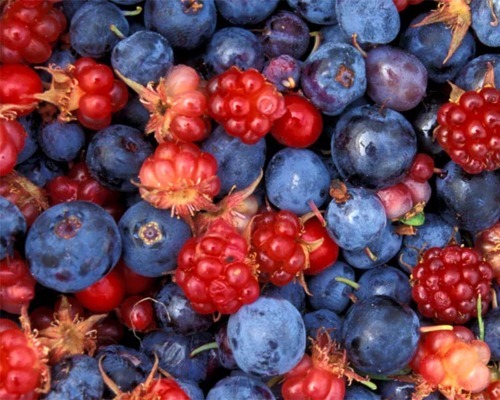
Berries: All types of berries are beneficial to your health. Black raspberries fight off skin, oral, colon, and esophageal cancers. They contain anthocyanins, antioxidants that slow the growth of premalignant cells.
Garlic; isn’t just for keeping vampires away, it helps keep cancer away too. When consuming certain red meats, nitrates are injested, forming carcinogens in the stomach. Garlic helps slow down this process and fight stomach, esophageal, breast, and colon cancers. Crush up some garlic and add to your tomato sauce for a cancer fighting double whammy!
Tomatoes; contain lycopene, which has been shown to stop cancer cell growth according to research. The sure fire way to increase lycopene is by cooking tomatoes. So whip up some of your own sauce or tomato stew and ward off lung, cancer, prostate, and endometrial cancers.
Walnuts; are great for fighting both breast and prostate cancers. Adding just an ounce of walnuts a day will help to keep the cancer away.Beans: Navy and black beans help delay cancer growth of breast and colon cancers. Add a half a cup to your diet a week for a natural colon cleanse!
As always, stay away from animal fats, processed meat, and excessive amounts of alcohol. read more..
Saturday, 18 February 2012
Vitamins And Minerals-Essential Nutrients-Vitamin B6-Potassium
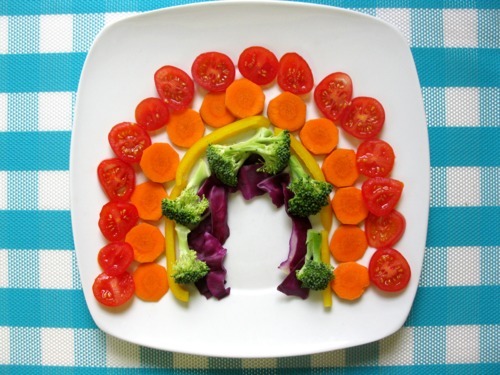 |
CarrotsA cup of raw carrots contains a whopping 34317 IU of vitamin A, making it the richest vegetable source of pro-vitamin A carotenes, a phytonutrient which has shown to help protect vision and is associated with reduced risk of heart disease and certain types of cancers. This orange root crop is also a very good source of vitamins C and K, dietary fiber and potassium and a good source of B complex, manganese, molebdenum, phosphorus, magnesium and folate.TomatoesTomatoes are bursting with more than 20 vitamins and minerals. A cup of ripe red tomatoes supplies an excellent amount of vitamins A, C and K. It is a very good source of molebdenum , potassium, manganese, chromium and vitamins B1 and B6. It is also a good source of folate, copper, iron, B complex and other essential nutrients. Tomatoes are well known for their lycopene content, a phytonutrient with antioxidant and anti-cancer properties.Sweet PotatoesA cup of baked sweet potatoes with skin is an excellent source of vitamin A in the form of beta-carotene as it contains 13107 IU of this powerful antioxidant. It is also a very good source of manganese and vitamin C and a good source of vitamin B6 and the minerals copper, fiber, potassium and iron. Purple-fleshed sweet potatoes are rich in anthocyanins and have the highest antioxidant activity among sweet potato varieties.SoybeansSoybeans are one of the most well researched health-promoting foods in the world today. A cup of cooked soybeans can supply the body with excellent amount of molebdenum and tryptophan, a very good amount of manganese and protein and a good amount of more than 10 other essential nutrients including omega-3 fatty acids, fiber and potassium. One cup of soybean provides more than 50% of the daily value of protein.AsparagusThis almost leafless member of the lily family with fleshy green spears has been considered a delicacy since ancient times. A cup of boiled asparagus is an excellent source of vitamins A, C and K and folate. It is a very good source of more than 10 vitamins and minerals including B complex, potassium and fiber. Asparagus has been described by second century physician, Galen, as “cleansing and healing.”Bell PepperWith their beautifully shaped glossy exterior that comes in a wide variety of vivid colors ranging from green to black, bell peppers are known as the Christmas ornaments of the vegetables world. A cup of sliced, red, raw bell pepper provides 5244 mg of vitamin A which is more than 100% of DV. It is also an excellent source of vitamins C and B6 and a very good source of fiber, molebdenum, manganese and folate.SpinachSpinach is a treasure-trove of nutrients as it boasts more than 35 essential vitamins and minerals. A cup of boiled spinach is an excellent source of over a dozen nutrients. It can provide the body with three times the DV of vitamin A and over 1000% of the DV of vitamin K as it contains 1023 mcg of the nutrient. More than a dozen flavonoids has also been identified with this leafy green. Brussels SproutsA cup of boiled Brussels sprouts is an excellent source of vitamins C and K and a very good source of B complex, folate, fiber, potassium and vitamin A, one of the most important antioxidant found in nature. This miniature cabbage look-alike is also rich in vitamin E, calcium and copper. Studies have shown that diets high in cruciferous vegetables, such as Brussels sprouts, broccoli, cabbage and cauliflower are linked to lower incidence of certain cancers, including lung, colon, breast and ovarian cancer.BroccoliBroccoli has been considered a uniquely valuable food among Italians since the Roman Empire. A cup of boiled broccoli supplies an excellent amount of vitamins A, C and K, folate and fiber. It contains 505 mg of potassium and 102 mg of phosphorus. It is also rich in iron, zinc, vitamin E, B complex and over 20 other essential nutrients. Broccoli may be eaten raw, boiled or steamed, but steaming, microwaving and stir-frying are recommended so as not to read more..